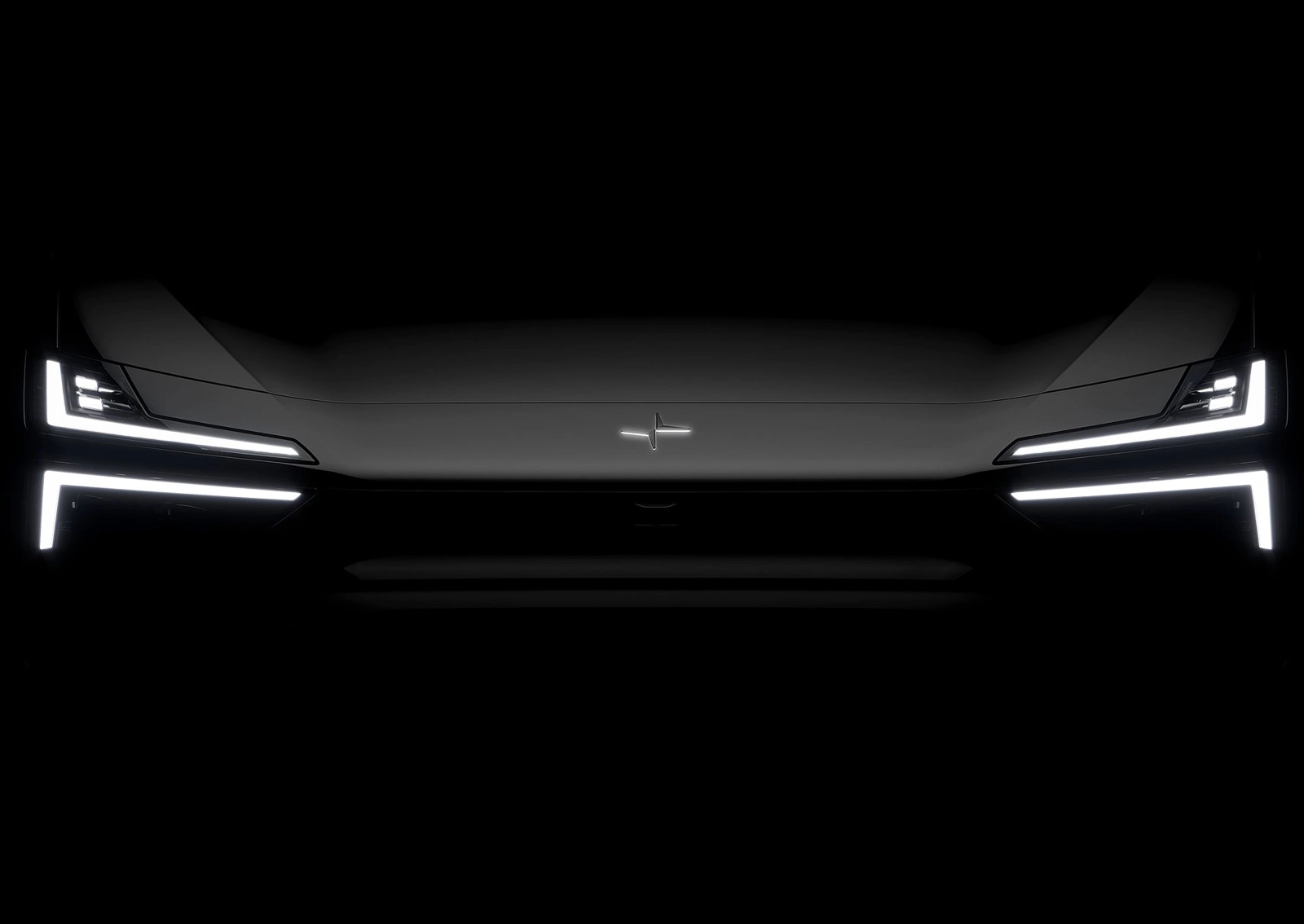
Major blockage in Washington: Polestar receives a sales ban in the US from 2027. What are the prices of the models in Romania
Premium electric vehicle manufacturer Polestar is facing a major blow in the United States market. The administration led by President Donald Trump has decided that the Swedish brand will no longer be authorized to sell new cars in the United States starting in 2027. The decision comes in the context of drastic measures adopted by Washington against cars equipped with technologies developed or controlled by entities in China.
The technology behind the ban: the “Connected Vehicles Rule”
The US Department of Commerce has refused to grant Polestar an exemption or the necessary authorization under the Connected Vehicles Rule. This legislative norm severely restricts the import and sale of smart cars that use communication systems connected to China or Russia, starting with the 2027 model year.
The basic technologies present in almost every modern car are directly targeted:
- Bluetooth and Wi-Fi connections.
- Cellular connectivity systems (integrated 4G/5G modules).
- Certain satellite communication components and software systems for driver assistance or autonomous driving.
Washington authorities consider these systems a major risk to national security. The official argument is that the vehicles have the ability to collect, store and transmit sensitive data about American users and road infrastructure to servers outside the country. Interestingly, the regulation was initially finalized in January 2025, in the last weeks of the Joe Biden administration, and was retained and firmly enforced by the new Trump administration to protect the local auto industry.
Polestar's reaction and strategic move to Europe
Although the manufacturer has Swedish roots, it is majority owned by the Chinese auto giant Geely Holding. This ownership structure has put Polestar squarely in the crosshairs of the restrictions, unlike other brands (such as Volvo, also under the Geely umbrella, which managed to obtain a temporary waiver from the US authorities).
Polestar representatives have officially announced that they will not challenge the decision in court. The company’s contingency plan includes the following measures:
- Selling current models: Polestar 3 and Polestar 4 models already manufactured (or from model years prior to 2027) will be able to continue to be sold in the US.
- Maintaining support: The service and technical support network for existing US customers will remain fully functional.
- Focus on Europe: The company will shift almost all of its attention to the European market, which is its main growth engine anyway.
In the first quarter of the year, only 6% of Polestar’s global sales came from the United States, while Europe absorbed a massive 78% of deliveries.
The move comes at a delicate financial time for the brand. Polestar continues to struggle to break even, surviving in recent years thanks to repeated capital infusions from Geely Group and its chairman, billionaire Li Shufu.
Polestar’s Presence in Romania: Models and Prices
While the US market is closing, the European market – including Romania – remains open for Polestar. Although the brand does not have a traditional network of physical dealerships in the country, cars can be purchased through direct orders on European platforms or through large dealers specializing in imports of premium and electric vehicles (such as Plus Autotrade).
On the Romanian market, the current portfolio includes three main models, with prices that vary significantly depending on the engine, battery capacity and technology packages (Pilot, Plus, Performance):
| Model | Body Type | Estimated Starting Price (Romania) | Maximum Range (WLTP) |
| Polestar 2 | Fastback / Sedan | ~€45,500 – €48,500 (from ~€27,000 used) | Up to 659 km |
| Polestar 4 | SUV Coupé | ~€49,000 – €56,500 (top-tier versions exceed €63,000) | Up to 620 km |
| Polestar 3 | Luxury SUV | ~€67,500 – €75,000 (top configurations reach €87,000) | Up to 647 km |
Details about the models:
- Polestar 2: The brand's most affordable volume model. It has single-engine (rear/front-wheel drive depending on the year of production) or dual-engine versions, being a direct rival to the Tesla Model 3.
- Polestar 4: An avant-garde SUV coupé that attracted the attention of the industry by completely eliminating the rear window (rear window), replaced by a wide-angle HD video camera that projects images directly into the digital rearview mirror.
- Polestar 3: The flagship large SUV, focused on sports performance and luxury, equipped with adaptive air suspension and advanced safety technologies developed together with Volvo.
The US decision accelerates a clear regionalization of the global auto market: cars with Chinese technology or capital will dominate Europe and Asia, while America raises difficult-to-overcome trade and technological barriers.