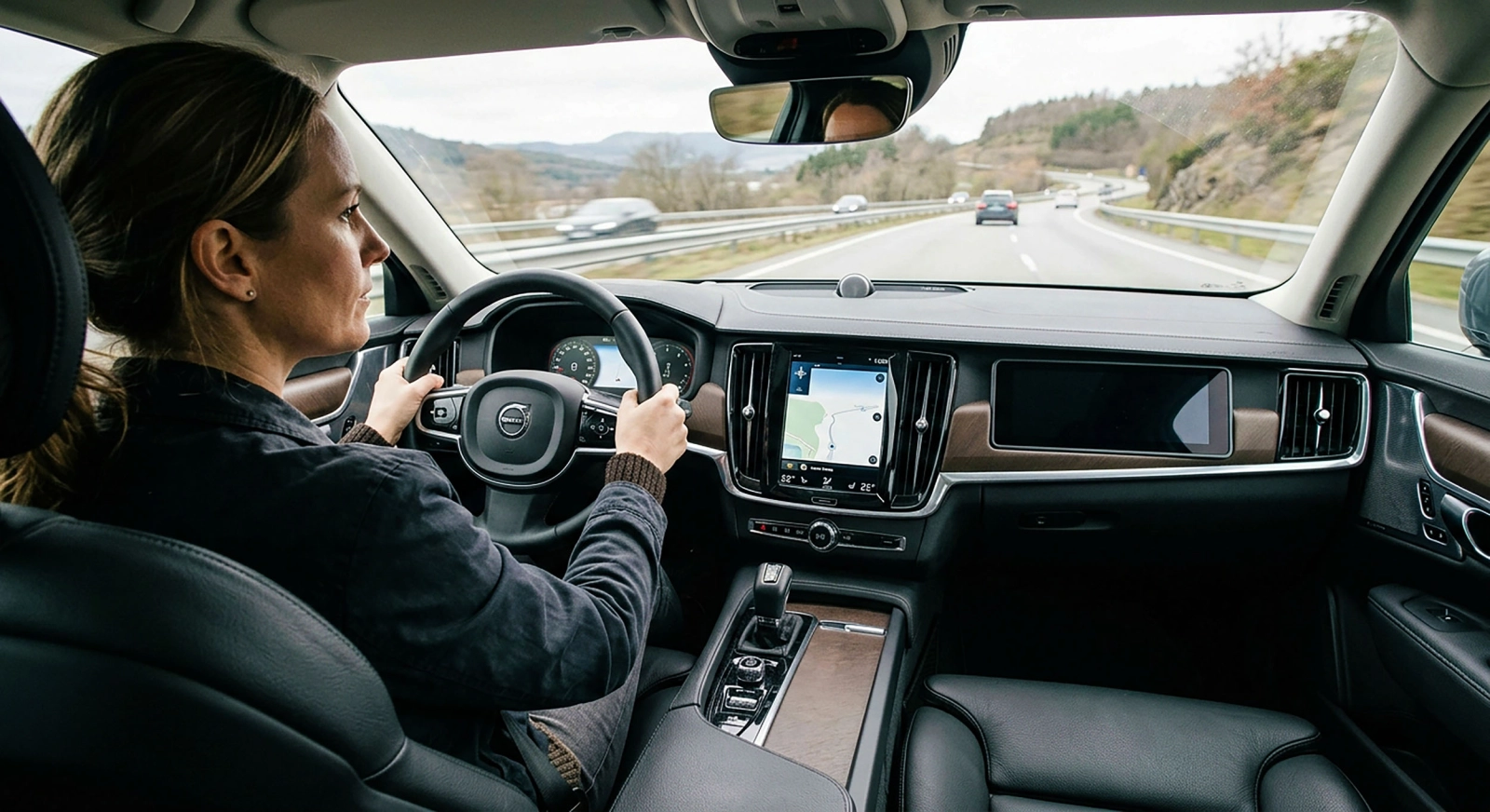
Fewer screens, more attention is the lesson drivers are giving the auto industry
The automotive industry continues to push the boundaries of digitalization, transforming the interior of modern vehicles into true command centers dominated by touchscreens and complex menus. However, a large study conducted on a representative sample of 68,084 car owners of the 2026 generation shows an increasingly visible discrepancy between what manufacturers offer and what users really appreciate. The central conclusion is clear: drivers are no longer impressed by visual artefacts, but are looking for discreet, efficient and intuitive technology.
The research evaluated 40 specific technologies in detail, divided into essential categories such as comfort, connectivity, advanced driver assistance systems (ADAS) and intelligent functions.
Invisible technology: What drivers appreciate most
The top preferences are not sophisticated entertainment applications or spectacular menus, but solutions that eliminate effort from routine. Probably the most appreciated feature by drivers remains the automatic start-stop system, closely followed by the intelligent climate control system.
The success of these features lies in the way they operate: without requiring attention from the driver. Intelligent air conditioning, for example, adjusts the microclimate according to the number of passengers, the incidence of sunlight and the quality of the outside air without repeated interventions in touch menus. Drivers value those systems that "work in the background" and that allow them to concentrate exclusively on the road.
The “Blank Screen Effect”: The Expensive Option That 1 in 3 People Ignore
On the other hand, one of the least appreciated innovations is the screen dedicated to the right passenger. Although it is intensively promoted by manufacturers as a premium equipment (most often optional and expensive), the data shows a different reality.
This technology has a high dissatisfaction rate, reporting 21.3 problems per 100 vehicles (PP100), due to software errors, unstable connections or cumbersome interfaces. More:
- 35% of drivers (almost 1 in 3) admit that they never turn on this screen, even if the car is equipped with it.
- Only 6% of users activate the passenger screen every time they are behind the wheel.
This reluctance highlights a growing problem in modern cars: digital fatigue. Additional screens are often perceived as distractions or simply unnecessary equipment when passengers prefer to use their own phones or tablets.
The Paradox of Driver Assistance: Trust Beats Statistics
Another interesting finding of the study concerns driver assistance systems. The results show a clear preference for Level 2 assistance systems (which require hands to be kept on the wheel at all times), over Level 2+ (which allow hands-free driving under certain conditions).
Interestingly, this option appears despite the fact that Level 2+ systems are technically more advanced and generate fewer errors or operational problems. However, the psychological factor plays a decisive role: drivers feel a greater degree of safety and control when maintaining physical contact with the steering wheel, not yet being ready to completely cede control of the vehicle to algorithms, even if the latter are more stable.
Reevaluating car cabins: Towards functional minimalism
The research results send a clear signal to the development departments of major automakers: The trend of filling dashboards with huge screens and redundant touch controls is starting to meet resistance from buyers.
The future of automotive ergonomics doesn't seem to belong to cars overloaded with gadgets, but to vehicles that use technology intelligently and mindfully. Drivers in 2026 want cabins where technology exists to serve the user, not to distract them.