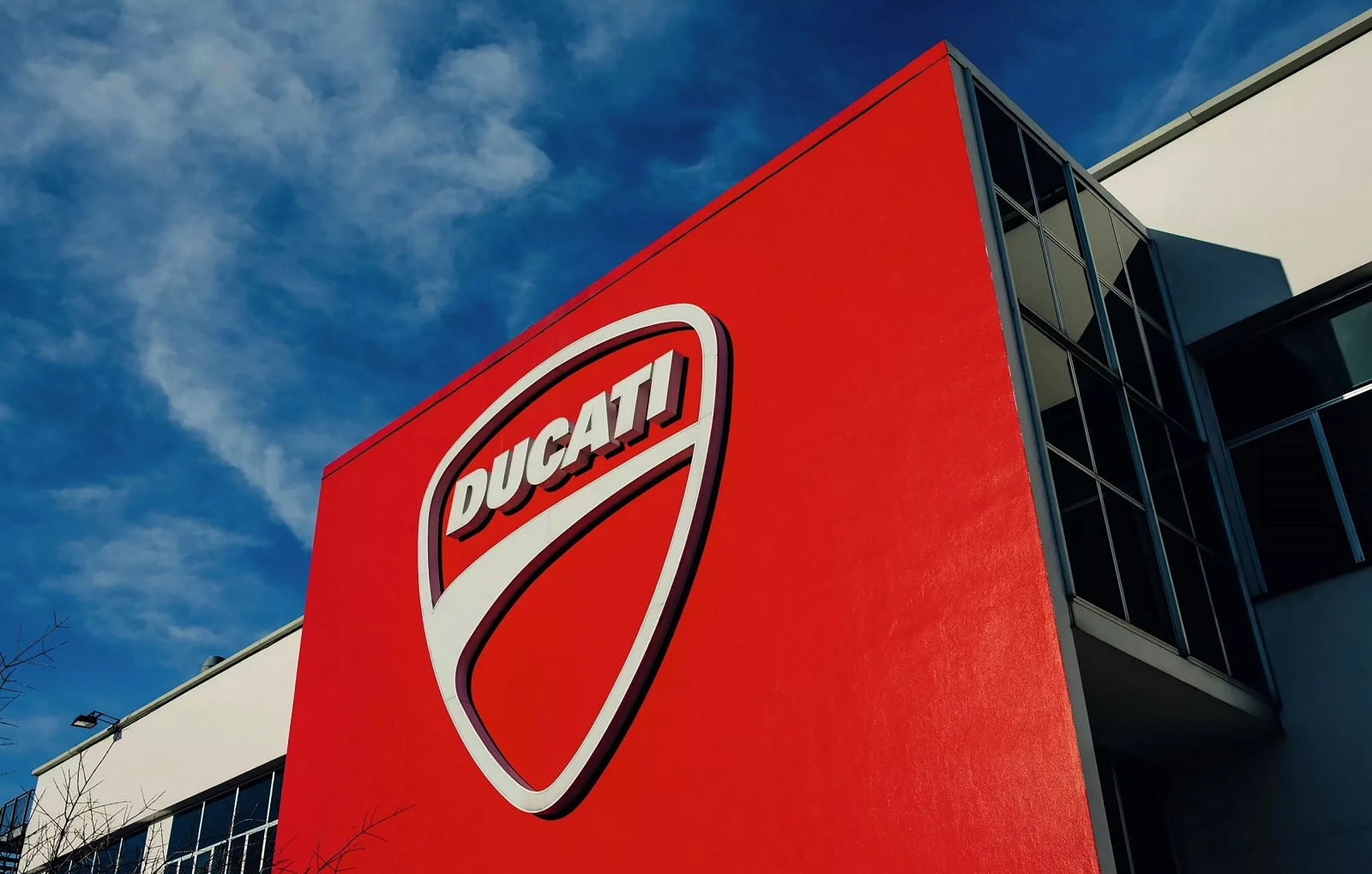
Motorcycle manufacturer Ducati could leave the Volkswagen Group
Italian motorcycle manufacturer Ducati, a symbol of performance and design on two wheels, could be facing a major change of ownership. The Volkswagen Group has included the Borgo Panigale brand in a broad process of restructuring and strategic reassessment of its portfolio, paving the way for a possible divestiture in the near future.
Capital under scrutiny: Strategic reassessment at group level
The statement that reignited speculation in the automotive market belongs to Gernot Döllner, CEO of Audi — the division under which the Italian brand operates directly. The German official emphasized that the move is part of a strategy to streamline and prioritize resources across the entire automotive giant.
"In the Volkswagen Group, we have assumed responsible management of the portfolio we manage. Ducati is part of this evaluation process, but no decision has been made so far," Döllner said.
Valued by Bloomberg financial analysts at approximately 1.25 billion euros, Ducati represents an extremely valuable asset, but whose presence in an automotive giant in the midst of technological transformation is questioned.
History Repeats itself: From Piëch's vision to current pragmatism
The inclusion of Ducati in the Volkswagen portfolio dates back to 2012, at the time a project strongly supported by the group's former patriarch, Ferdinand Piëch, a self-proclaimed motorcycle enthusiast. The takeover, carried out through Audi, added a prestigious two-wheeled brand alongside names like Lamborghini.
This is not the first time the German giant has considered selling Ducati. In 2017, in the midst of the crisis caused by the "Dieselgate" scandal, the Wolfsburg executive management tried to put the Bologna-based manufacturer up for auction to raise cash. At the time, the plan was blocked by strong opposition from unions and the Porsche-Piëch shareholder families. Today, however, the financial pressures in the auto industry require much tougher pragmatism.
X-ray of a decision: Problems at Volkswagen, Ducati or both?
To understand why a legendary brand like Ducati is once again on the evaluation table, a separate analysis of the two actors involved is necessary: the German parent company and the Italian subsidiary.
1. The Volkswagen Scenario: Structural Difficulties and Redefined Priorities
The Volkswagen Group is going through one of the most complex periods in its history. The costly transition to electric vehicles, software challenges, declining demand in traditional markets and increasingly aggressive competition from Chinese manufacturers have created unprecedented financial pressures. In this context, the German management is implementing drastic cost-cutting and streamlining programs. The group's main mission has been reduced to consolidating series car production and ensuring financial sustainability. Subsidiaries that do not generate direct technological synergies with car production become natural candidates for divestment.
2. The Ducati scenario: Commercial performance but technological isolation
Unlike other divisions that are struggling financially, Ducati is not a failure — quite the opposite. The manufacturer from Borgo Panigale is recording solid profit margins, good sales in the premium segment and undeniable sporting success in the MotoGP championship. The Italian brand's problem is not its own performance, but the lack of synergy with the rest of the group. The technologies developed for super-sport motorcycles cannot be transferred to Volkswagen's car platforms, and its share of the German giant's global revenue remains marginal.
The verdict of the equation
The valuation decision is not the result of a crisis at Ducati, but a direct consequence of the problems and reorganization at Volkswagen. At a time when Wolfsburg needs capital and a leaner structure, a profitable, well-positioned and easily liquidated asset like Ducati becomes an attractive option for generating liquidity.
Future scenarios for the manufacturer from Borgo Panigale
If the evaluation process results in a firm decision to sell, Ducati will have no shortage of suitors. The high value of the brand and its profitability usually attract the attention of major investment funds (Private Equity), consortia from the Asian mobility industry or other groups in the powersports sector interested in expanding their premium portfolio.
Until an official announcement, the motorcycle community and employees in Bologna are closely following the developments in the discussions in Ingolstadt and Wolfsburg, aware that the future of the Italian brand depends less on successes on the track and more on major strategic moves in the global automotive industry.