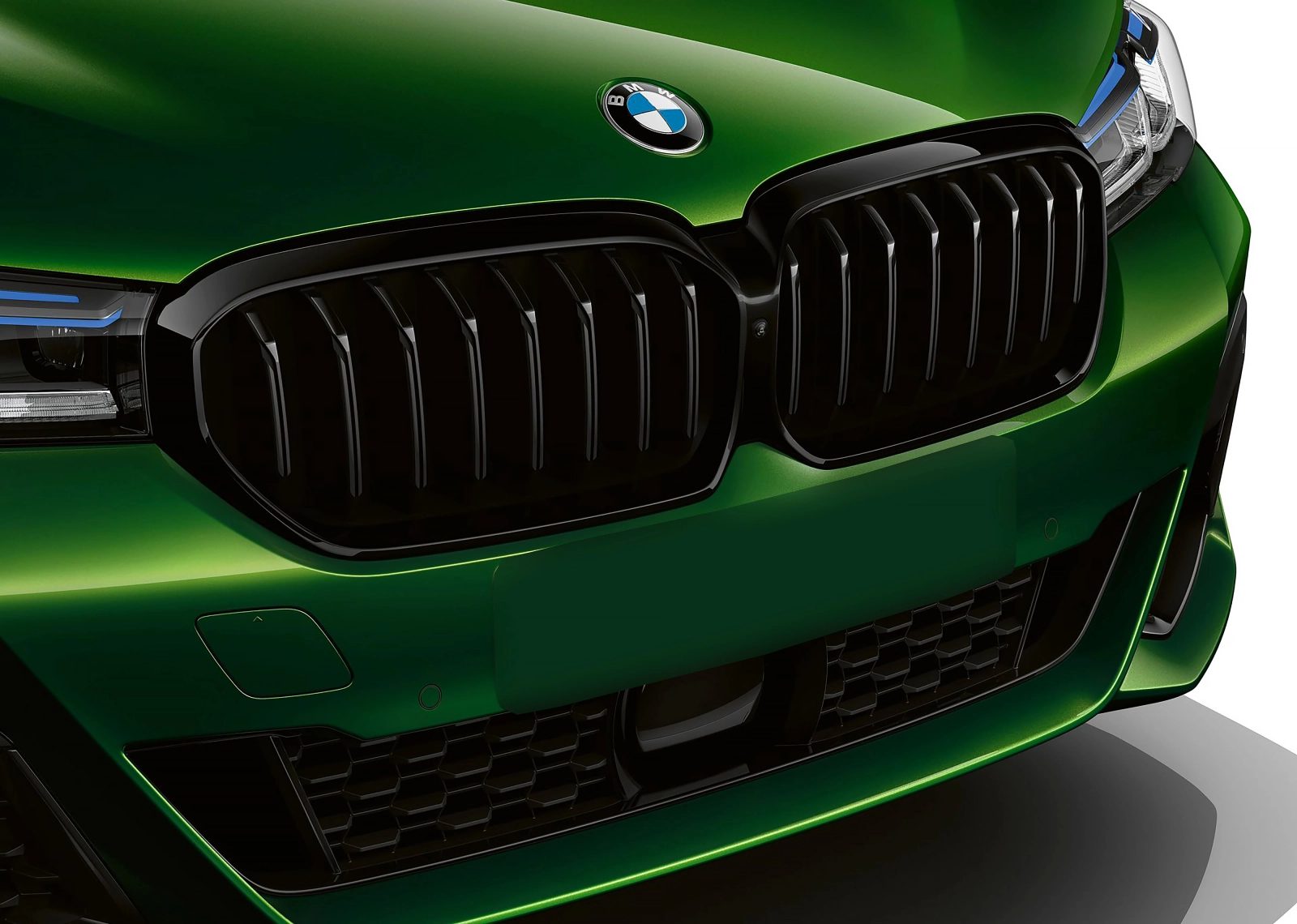
Fire risk in BMW 3, 5 and 7 Series models: Bavarian manufacturer recalls nearly 190,000 cars
German carmaker BMW has launched a global recall campaign targeting 189,130 vehicles due to a defect in the starter relay, a component that can allow water to enter and, in the worst cases, lead to a short circuit and a fire in the engine compartment.
Here is a detailed analysis of this problem, how the defect works, the remedies offered, and the direct impact on the Romanian auto market.
Size of the recall and models affected
The campaign is closely monitored by the German Federal Motor Transport Authority under the official reference number 16791R.
Cars produced between July 29, 2014 and November 12, 2020 are affected. This long manufacturing window, over six years, demonstrates that the problematic part was not isolated to a single assembly line or a single model, but was used globally on several of the brand's technological platforms.
The responsible components bear the BMW internal codes 0012820600 and 0012840600. The affected models cover two successive generations of the core BMW sedans:
- BMW 3 Series: The F30 generation and the first examples of the G20 generation.
- BMW 5 Series: F10 generation and G30 generation.
- BMW 7 Series: Generations F01/F02 and generations G11/G12.
Anatomy of a defect – How a drop of water can cause a fire
The fault starts from inadequate insulation of the starter relay. An imperfect seal allows moisture from rain, condensation or washing the car to penetrate the component housing.
Once inside, the water cannot evaporate and remains in prolonged contact with metal surfaces. Over time, corrosion of electrical contacts occurs.
The evolution of the fault follows a series of dangerous steps:
- Increased electrical resistance: The corroded surface offers greater resistance to the passage of current.
- Arcing: Instead of electricity flowing through contacts, the current can form an arc.
- Extreme heat and fire risk: The electric arc generates very high temperatures in close proximity to electrical cable insulation, plastics and other flammable fluids in the engine compartment.
Additional context: Another massive recall in parallel. This campaign comes in parallel with another, much larger one, targeting 744,234 cars manufactured between mid-2020 and early 2026. In that case, it concerns RWT starter relays affected by internal abrasion – a different mechanical defect, but which also has the potential to cause a fire hazard.
Alarm signals and remedial procedure
In many cases, corrosion develops insidiously, without clear warnings on the dashboard. However, some drivers may notice certain symptoms before the failure becomes critical:
- Unusual difficulty or hesitation when starting the engine.
- Smell of burnt plastic or insulation coming from the engine compartment.
- Electrical system warning lights illuminated on the instrument panel.
The technical solution in the dealership
To permanently eliminate the problem, BMW is not limited to replacing the faulty relay. Technicians from the authorized dealer network are replacing the entire starter (electric motor) with an optimized version, completely eliminating the path of water penetration. All repairs related to this campaign are carried out completely free of charge for owners.
How affected are Romanian drivers?
The Romanian automotive market is directly and massively exposed to this recall, for several reasons:
- Popularity of the affected models: The BMW 3 Series (F30), 5 Series (F10/G30) and 7 Series (G11) generations are some of the most sought-after and sold used cars on the Romanian market. Thousands of such vehicles manufactured between 2014 and 2020 are currently circulating on national roads.
- The problem with imported second-hand cars: A large part of these cars were purchased used from Germany or other Western European countries. In these situations, official letters sent by the manufacturer or German authorities often reach the first owners abroad, not the current owners in Romania.
- Leaving the official service network: Being cars between 4 and 12 years old, many of them are no longer taken to dealerships for routine maintenance, so owners are not directly informed by dealers about active recall campaigns.
Practical Guide – Recommendations for Owners in Romania
If you own a BMW 3 Series, 5 Series or 7 Series manufactured between 2014 and 2020, it is recommended that you follow these specific steps:
1. Check the chassis number (VIN):
Find out if your car is included in the campaign by accessing the official recall checker tool or by entering the VIN number on the dedicated platforms of authorized dealers.
2. Contact an authorized BMW dealer in Romania:
Even if you did not receive a written notification or if the car was purchased second-hand from abroad, any BMW dealership in Romania is obliged to check the VIN series in the global database and perform the repair for free if the car is eligible.
3. Don't ignore starting symptoms:
If you notice that the starter is hard to turn or if you smell a burning smell after repeated starting attempts, schedule a technical check as soon as possible.
4. Be careful when purchasing a used car:
If you plan to buy a BMW from the F30, G20, F10, G30, F01 or G11 generations, ask the seller for proof of recall 16791R or check the VIN series at a dealer before completing the transaction.
5. Get a free repair:
Official safety recalls do not have a strict expiration date tied to the standard car warranty. Starter assembly replacement is fully covered by the manufacturer.