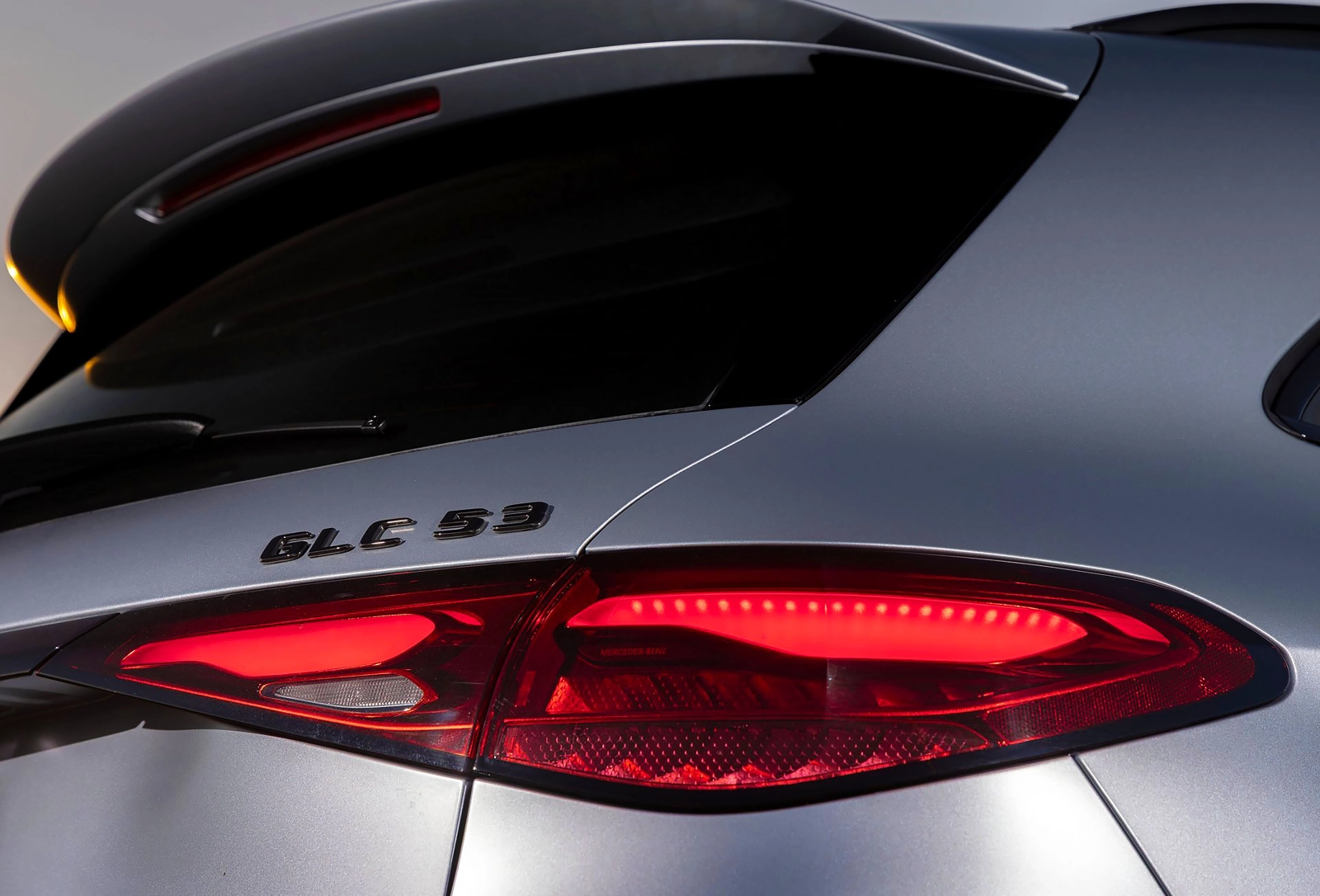
Mercedes-Benz GLC US production 2030, why the assembly of the SUV in Alabama was postponed
The industrial strategy of the German manufacturer Mercedes-Benz in the North American market is undergoing significant changes. The company has decided to reschedule a major production localization project, moving the original deadline for the assembly of one of its most popular SUVs. The decision significantly extends the period during which vehicles destined for the United States will continue to be imported from Europe, keeping in place the additional costs generated by customs duties.
A 30-month delay: The new schedule for the Alabama plant
The Stuttgart-based manufacturer's initial plans called for the next generation of the Mercedes-Benz GLC SUV to roll off the assembly lines of the Vance, Alabama, plant starting in the fourth quarter of 2027.
According to the new operational decisions, this calendar has been pushed back by approximately 30 months, with the new official deadline for the start of local production being set for May 2030. Although the plan to produce the next generation GLC on American soil remains unchanged, the postponement of the deadline means that the transition will have to wait a considerable period.
The Burden of Customs Duties: The Financial Impact of Prolonged Imports
Postponing the adoption of local production comes with a direct financial cost for the German manufacturer.
- Dependence on Europe: Until the Alabama lines are ready to take over assembly of the new model, the huge volume of GLC vehicles destined for the American market will continue to be brought in from European factories (such as the one in Bremen, Germany).
- Tariffs applied: Vehicles imported from the European Union into the United States market are subject to a combined customs tariff of 15%, in accordance with current trade agreements.
- The immediate effect: Extending this transition state by almost three years means that Mercedes-Benz will continue to bear these import duties for a much longer period than originally planned, affecting profit margins in one of the brand's most important global markets.
The strategic role of the Vance plant and billion-dollar investments
The Alabama industrial complex (known as MBUSI) plays a central role in the brand's global operations, having been dedicated to producing highly sought-after commercial vehicles since the 1990s.
- Massive Investment: To support future SUV production programs and facility upgrades, the company and local officials previously announced major additional investments, estimated at approximately $4 billion.
- Expanded capacity: Once the adaptations for the new GLC are completed and production actually begins, the annual capacity of the Alabama plant is estimated to exceed the 280,000 vehicle mark.
- Current portfolio: The Vance plant already assembles successful models such as the GLE and GLS SUVs, along with the 100% electric EQE SUV and EQS SUV, in addition to the production of Sprinter vans in South Carolina.
A pragmatic decision for the world's best-selling model
Even though maintaining imports comes with high fiscal costs due to customs tariffs, the postponement of the calendar reflects a rigorous analysis of product cycles and optimization of long-term retrofit costs. The GLC model remains an essential commercial pillar for the brand's global portfolio, and management prefers a thorough preparation of the industrial infrastructure in the US, ensuring that the Alabama plant will be able to handle the massive volumes of the next generation at the highest standards from spring 2030.