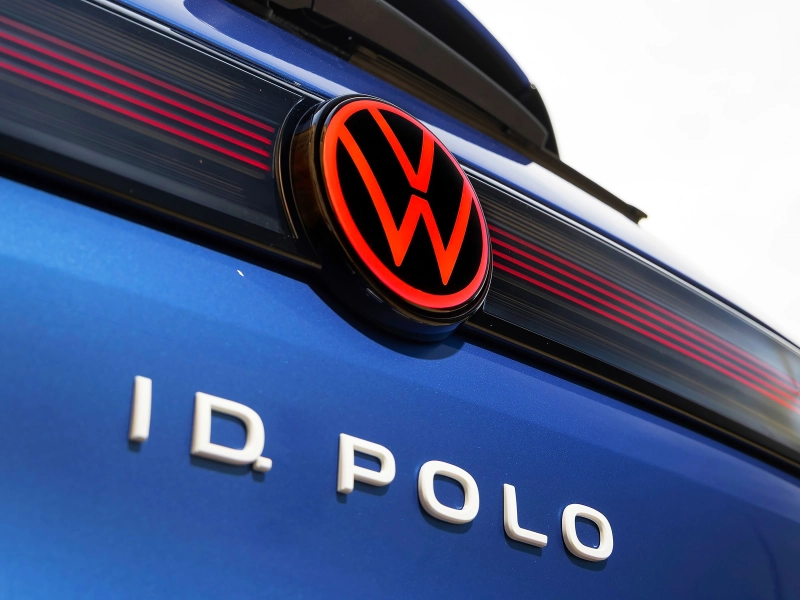
Painful Revolution at Wolfsburg: Volkswagen Shifts Gears to Survive the 'Perfect Storm'
For decades, Volkswagen has been the symbol of German industrial stability and the “engine” that powered Europe’s economy. But in an era of brutal geopolitical shifts and the rise of electric vehicles in the East, the auto giant is facing a turning point. It’s no longer just about optimizing profits, but about radically transforming its own identity to avoid irrelevance.
1. Between Scylla and Charybdis: External Pressure
Volkswagen today finds itself caught between two massive forces that threaten its global market share:
- US Tariffs: The new trade barriers imposed by the US administration on vehicles produced in the European Union have hit profit margins directly. Exports, once a goldmine, have become a logistical and financial burden.
- The Chinese Siege: Chinese manufacturers are no longer just the “cheap alternative.” With advanced battery and software technologies, they have begun to dominate entire segments, forcing Volkswagen to compete at a level of cost efficiency that its current, rather rigid structure cannot sustain.
2. Crisis Plan: Numbers That Matter
To stay in the race, the Group has already adopted measures that, ten years ago, would have been considered unthinkable in the board of directors:
“We need to fundamentally change our business model and achieve sustainable, structural improvements.” – Arno Antlitz, CFO and COO of the Volkswagen Group.
The main measures announced include:
- Massive staff reductions: Over 50,000 employees will leave the Group in the next four years on the domestic market.
- Production cap: Limiting to 9 million units per year (up from 8.9 million last year), a strategic move to avoid overcapacity and uncontrolled inventories.
- The taboo broken: Discussions regarding the closure of factories right on German territory, a historic first that sent shockwaves through German unions.
3. Simplification or Sacrifice?
Volkswagen's future strategy is not just about staff cuts, but a "general cleaning" of the product portfolio. Journalists and industry analysts predict a much simpler future:
- Goodbye to niche models: It is very likely that Volkswagen will abandon models that do not bring in high volumes or significant margins. The excessive diversity of body styles and variants could become history.
- Platform standardization: The Group will accelerate the transition to fewer shared technical platforms. Fewer different components mean lower production costs and faster technology development.
- Speed in decisions: Antlitz emphasizes “accelerating technology development.” In a world where car software changes every six months, the bureaucracy in Wolfsburg must disappear.
Conclusion
Volkswagen is trying to do the impossible: remain a volume brand while preserving the “substance of the product” (that German quality that customers rely on) while cutting costs to the bone. The success of this new business model will determine whether VW remains the industry leader or becomes just a glorious memory of an industrial era that has ended.
What is certain is that the "people's" car of tomorrow will be built in a much smaller, more digitalized factory and, unfortunately for the German economy, with far fewer people.