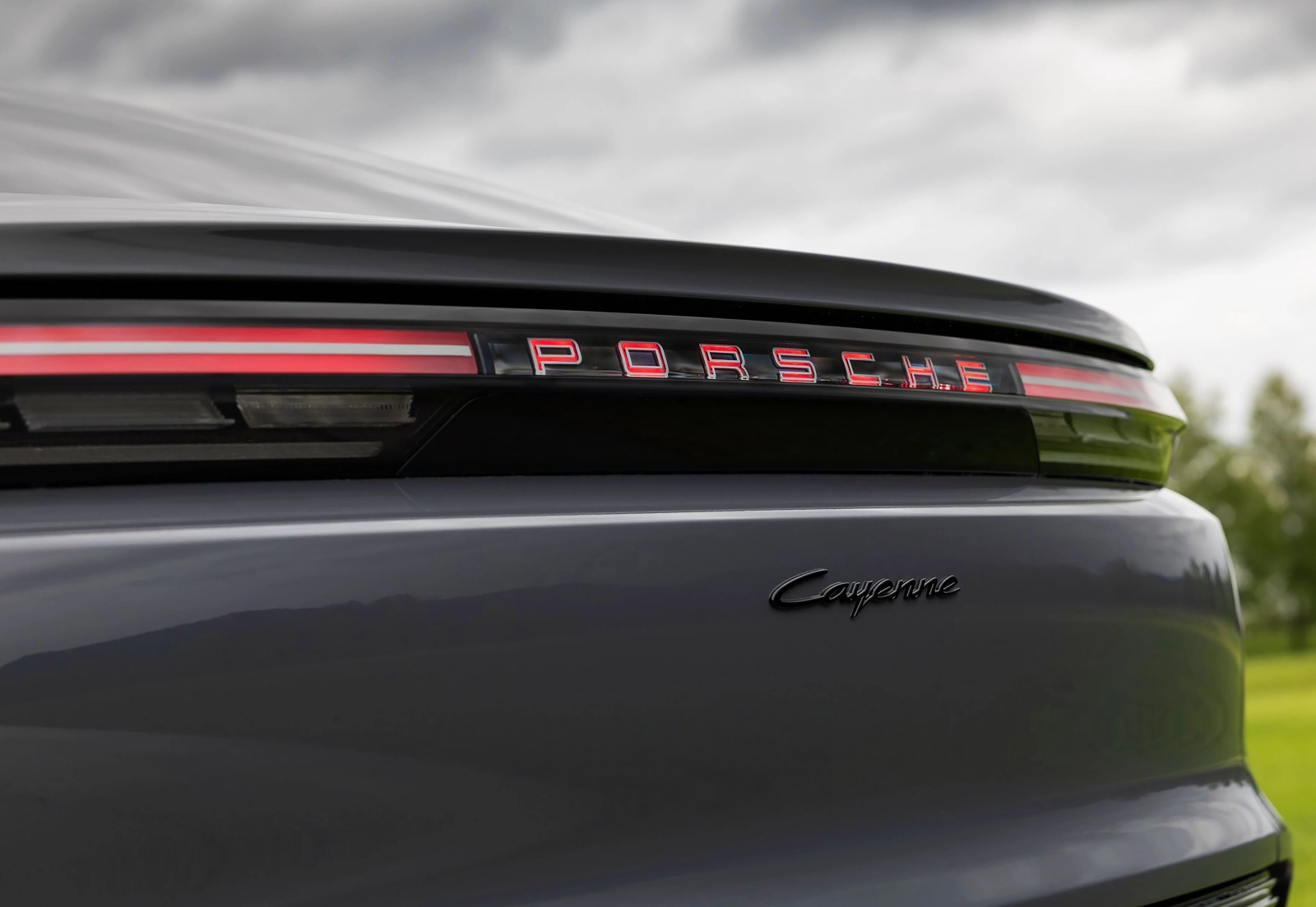
Porsche implements drastic austerity measures to manage a deficit of 700 million euros
Successive waves of layoffs at Zuffenhausen. The German automotive sector is going through an extremely unstable period, and austerity measures are also affecting iconic performance brands. Porsche continues its internal restructuring process, preparing new staff cuts to adjust its cost structure to the new market reality.
Following the decision in the summer to cut 5,000 jobs – in addition to the previously agreed 4,000 redundancies – new supervisory board documents indicate that around 4,100 more jobs could be cut. If these measures are fully implemented, the total number of job cuts at Porsche will approach 13,000.
Deficit of 700 million euros and profit revision at Volkswagen Group
The main reason for the new layoffs is the need to cover a deficit of around 700 million euros in the brand's overhead costs. In parallel, the entire organization is trying to generate billions of euros in long-term savings to protect profitability.
The sports car brand's financial problems have a direct impact on the entire Volkswagen Group. The Wolfsburg-based manufacturer has been forced to drastically revise its financial forecast for the end of this year:
- Operating profit margin: Reduced to a maximum of 1%, down sharply from the initial estimate of 4% - 5.5%.
- Value adjustments: The group recorded financial impairments of billions of euros related to its stake in Porsche, amid declining valuations and restructuring costs.
The perfect storm in the European auto industry: Competition from China and expensive energy
The difficulties faced by Porsche and the Volkswagen Group reflect a deeper crisis affecting the entire European automotive industry. Traditional manufacturers are facing a complex set of structural and economic challenges:
- Sales collapse in the Chinese market: Considered for years the main source of profit for German premium brands, the Chinese market has seen a massive drop in demand for European models, with customers quickly turning to local manufacturers.
- Aggressive competition in the electric segment: Chinese electric vehicle manufacturers are rapidly advancing in the European market, offering technologically competitive models at lower prices.
- High energy and manufacturing costs in Europe: High energy prices, inflation, and high wage costs are causing factories in Germany to operate below optimal capacity, reducing profit margins.
- Adjusting electrification strategies: The slower-than-expected transition to 100% electric cars has generated additional development costs to maintain thermal and hybrid powertrains in parallel.
All these factors are putting huge pressure on European auto giants, which are being forced to adopt drastic cost-cutting plans and job cuts to remain profitable in the long term.