New car sales fell 11.2% in September, with Romanians purchasing fewer than 100,000 new cars since the beginning of the year.
The Romanian automotive market is going through a period of reconfiguration and tempering of demand. The first nine months of the year indicate a visible decline in both the new vehicle sector and the used car market. While the total volume of registrations is in decline, buyer preferences show a clear reorientation towards alternative propulsion technologies, especially hybrid models.
A difficult start to autumn: Decreases in new car sales
September brought a double-digit contraction in the new passenger and commercial vehicle market. Romanians purchased 11,068 new cars this month, which represents a decrease of 11.2% compared to the same period last year.
The September result confirms a slowing trend that has been evident throughout the year. Cumulatively, in the first nine months, the total volume of new cars purchased reached 97,210 units, marking a 10.62% decline compared to the previous similar period.
Transition to hybrid: Electrified engines clearly dominate preferences
The change in purchasing behavior is most visible in terms of engine options. Hybrid models have become the majority option in Romania, recording year-on-year increases, while traditional engine options are losing ground.
Top preferences by fuel type in the first nine months:
- Hybrids: 55,424 units (+3.5% compared to the same period last year)
- Gasoline: 16,987 units
- LPG: 11,109 units
- Electric (100% EV): 7,889 units
- Diesel: 5,801 units
Hybrid propulsion now accounts for more than half of the total new car market, significantly exceeding all other engine types combined. At the other extreme, diesel technology continues to fall in the rankings, being overtaken even by pure electric and LPG-powered models.
Dacia maintains its supremacy: What the brand rankings look like
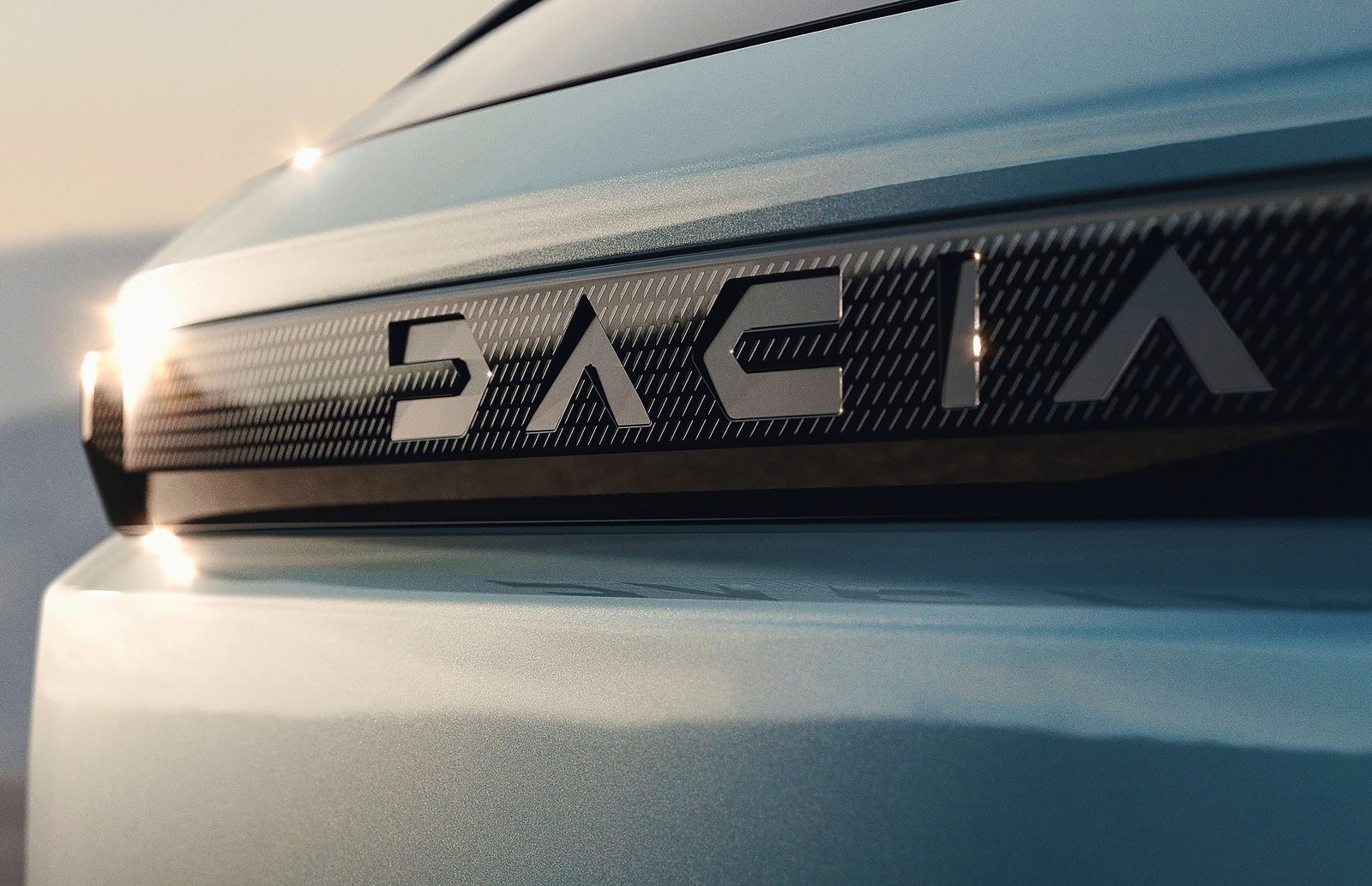
Dacia remains the undisputed market leader in Romania, recording a sales volume almost twice as high as the next ranked. The Mioveni-based manufacturer delivered 19,819 new cars in the first nine months.
Toyota occupies second position with 10,700 vehicles, strongly supported by its portfolio of hybrid models, and the podium is completed by Skoda, with 7,916 units.
A notable presence in the first half of the ranking is the Chinese manufacturer BYD, which managed to surpass traditional brands with a historical presence in the local market:
| Rank | Brand | Units Sold (9 Months) |
| 1 | Dacia | 19,819 |
| 2 | Toyota | 10,700 |
| 3 | Skoda | 7,916 |
| 4 | Volkswagen | 7,223 |
| 5 | Renault | 4,604 |
| 6 | BYD | 4,173 |
| 7 | Mercedes-Benz | 3,930 |
| 8 | Ford | 3,806 |
| 9 | Hyundai | 3,741 |
| 10 | BMW | 3,496 |
Imbalance also on the second-hand market
The used car import market follows the same downward curve, but at a considerably higher volume than new vehicles. In September, 27,537 used cars were registered, down 14.7% compared to September last year.
Over the nine months as a whole, total used vehicle registrations amounted to 227,107 units, which corresponds to a decrease of 13.6%. Although it remains a market more than twice as large as that of new cars, the used segment is directly feeling the pressure of the decrease in purchasing power and the adjustment of consumer demand.