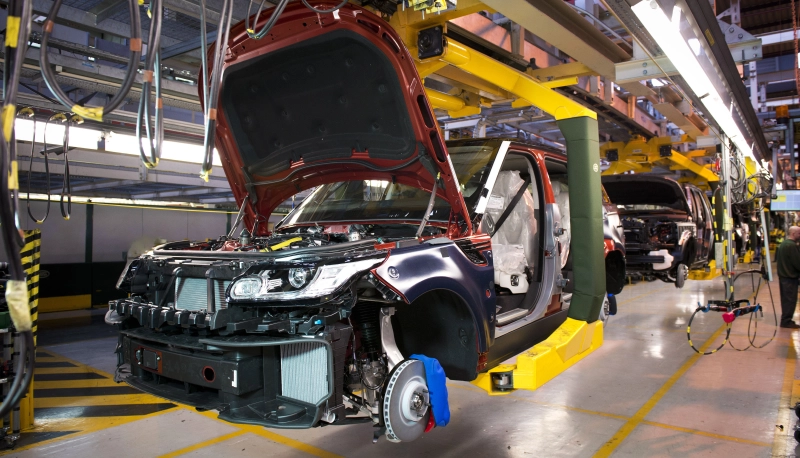
Turbulence at Solihull: Jaguar Land Rover suspends production of luxury models after incident at Norwegian supplier
SOLIHULL, United Kingdom – Jaguar Land Rover (JLR), the UK’s largest carmaker, is facing a new logistical challenge. The company has announced the temporary suspension of assembly lines at its flagship Solihull plant, directly affecting production of the group’s most profitable models: the Range Rover and Range Rover Sport.
The decision comes after a “critical supply issue” that industry sources cited by the Financial Times and industry publications said was triggered by a devastating fire at a key supplier in Norway. The disruption to the parts supply chain has forced the Tata Motors-owned giant to put the brakes on operations until at least April 8.
A strategic pause under Easter pressure
While the news has caused concern in financial markets – Tata Motors shares fell nearly 5% on the Mumbai Stock Exchange – JLR officials are trying to defuse the situation. The production break is timed to include the previously scheduled shutdown for the Easter holidays.
“We are working closely with the supplier to resolve the issue as quickly as possible and minimise the impact on our customers,” a company spokesman said. However, analysts warn that, although the duration is short, any day of downtime at Solihull is costly, given that it produces the high-margin vehicles that support the group’s financial recovery.
The Shadow of the Cyberattack of 2025
This new setback comes at a time of vulnerability for JLR, which is still reeling from a “black year.” Last September, a massive cyberattack attributed to the “Scattered Lapsus$ Hunters” group paralyzed the company’s computer networks, forcing the closure of all its UK plants for a month.
The impact of that incident was classified by the Cyber Monitoring Centre as a Category 3 event, with an estimated cost to the British economy of £1.9 billion. For JLR, the bill was stinging: £260 million in exceptional costs and a loss of sales that threw the figures into the red.
Financial results below expectations
The effects of the turmoil were clearly reflected in the latest quarterly report (October-December). JLR reported a pre-tax loss of £310 million, a dramatic reversal from the £523 million profit made in the same period the previous year. Revenue fell 39% to £4.5 billion, amid lower delivery volumes caused by the backlog left by the cyberattack.
Looking to the future: Betting on electric
Despite these obstacles, new CEO PB Balaji remains optimistic. JLR is in the midst of a transformation process, investing heavily in electrification. The Solihull plant is a central pillar of this strategy, as it will be the site of the much-anticipated Range Rover Electric, the brand’s first fully electric vehicle, which is scheduled to be launched later this year.
For customers who have already placed orders, JLR has assured that delays will be minimal. However, the incident in Norway is a reminder of how fragile the global supply chain remains in an era of uncertainty, where a single local event can stall the engines of a billion-dollar industry.
Production is scheduled to restart in full force on April 9, but investors' eyes remain on JLR's ability to navigate these "tough waters" without compromising its ambitious 2026 delivery targets.