Radiography of the Romanian Auto Market in 2025: SUVs and hybrids dictate the rules of the game
The year 2025 marked a turning point for the Romanian automotive market. Although the total volume of new cars experienced a slight contraction in the first part of the year, the autumn months brought spectacular increases (over 51% in August and 38% in September), as deliveries from the Rabla program began to be processed.
1. Top of Preferences by Body Style: The Sedan, a European "rara avis" protected by Romanians
While Europe reached a 59% share for SUVs, Romania presents a slightly different picture, but oriented in the same direction:
- SUVs (51-52%): Remain the undisputed leader. Romanians have massively migrated to B and C class SUVs (compact), appreciating their versatility on poor roads and the high driving position.
- Sedans (approx. 15.4%): Romania has a European peculiarity. We are the country with the largest market share for sedans in the EU, massively supported by the historic success of the Dacia Logan, which remains at the top of sales.
- Hatchbacks (16-17%): Especially the B segment (e.g. Dacia Sandero, Renault Clio) is holding up due to affordable prices.
- Station wagons (under 7%): This body style continues to decline in preference, being almost completely replaced by compact SUVs.
2. Engines: The "Electrified" Revolution has surpassed diesel
For the first time, the electrified car segment (Full Hybrid, Mild Hybrid, PHEV and Electric) has exceeded the 50% market barrier, leaving exclusively internal combustion engines in the minority.
| Category | Top Choice / Metric | Market Share / Units | Key Trend |
| Body Style | SUV / Crossover | ~52% | Dominant segment; displacing Sedans and Wagons. |
| Body Style | Sedan | 15.4% | Highest share in EU; driven by Dacia Logan. |
| Powertrain | Hybrid (HEV + MHEV) | ~41% | Most popular choice as Diesel declines. |
| Powertrain | Petrol (Gasoline) | ~36% | Steady decline, often paired with Mild-Hybrid tech. |
| Powertrain | Full Electric (BEV) | ~8% | Significant growth (+80% year-on-year). |
| Powertrain | Diesel | ~7.5% | Historically low; limited to heavy-duty use. |
| Brand Leader | Dacia | ~34,000 units | Absolute market leader in Romania. |
| Model Leader | Dacia Duster | Rank #1 | Best-selling SUV and overall model in 2025. |
LPG engine power (offered as standard by Dacia) remains extremely popular in Romania, representing over 16% of new car buyers' choices, a figure well above the European average.
3. Top Brands and Models (January - November 2025)
Dacia remains the absolute master of the local market, managing to occupy the first four positions in the model ranking.
The best-selling brands:
- Dacia (~34,000 units)
- Toyota (~11,500 units) – Leader in the hybrid segment.
- Skoda (~9,200 units)
- Volkswagen (~8,000 units)
- Renault (~7,800 units)
Best-selling models:
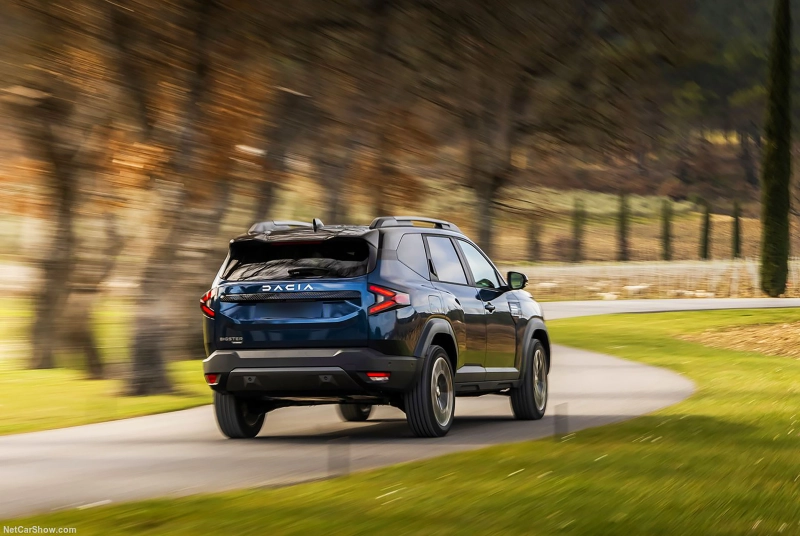
- Dacia Duster: It has become number 1 again, propelled by the new generation and the introduction of the Bigster model towards the end of the year.
- Dacia Logan: Although declining, it remains the favorite of fleets and traditionalist families.
- Dacia Sandero: Popular in both the standard and Stepway versions.
- Dacia Spring: Continues to dominate the electric market, although Chinese competition (MG, BYD) has started to gain ground (5% market share for Chinese brands in October).
- Skoda Octavia / Hyundai Tucson: Close fight for the title of "best-selling import brand".
4. Trends for the coming years (2026-2030)
- Chinese Offensive: Brands like MG and Geely will continue to grow. In 2025 they tested the market, but in 2026 they are expected to enter the Top 10 sales through aggressive pricing of electric and hybrid models.
- Forced Hybridization: Due to stricter pollution regulations coming into force in 2025 (93.6g CO2/km), simple gasoline engines will almost completely disappear, being replaced as standard by Mild-Hybrid or Full-Hybrid systems.
- Second-Hand Market: Although new cars are growing, the ratio remains 3 to 1 in favor of used cars. However, the trend is to rejuvenate the car fleet, with Romanians orienting themselves towards SH cars that are a maximum of 5 years old.
- Infrastructure: It is estimated that by 2030, the number of fast charging stations in Romania will triple, which will push the share of electric cars to 20-25% by the end of the decade.
Conclusion: A market in full metamorphosis
The year 2025 has demonstrated that the Romanian automotive market is no longer just a delayed mirror of Western trends, but a terrain where pragmatism meets innovation. Although we remain "patriots" in the elections, keeping Dacia in first place and giving an unusually high chance to sedans compared to the rest of Europe, the direction is clear: the future is tall (SUV) and electrified.
The dramatic decline of diesel engines below the 8% threshold and the meteoric rise of hybrids show that the Romanian driver has become much more attentive to efficiency and pollution standards. As we approach 2030, the challenge will no longer be "which car to choose", but how quickly the infrastructure will adapt to the new reality of the car fleet. The SUV remains king, but its crown is now a hybrid, in a market that is learning to balance maintenance costs with the desire for comfort and safety.