UK Auto Industry at Crossroads: Production Hits Lowest Level in Seven Decades
The year 2025 will go down in the UK’s economic history as one of the most difficult for the manufacturing sector. According to the latest figures published by the Society of Motor Manufacturers and Traders (SMMT), car production fell by 8% last year, marking a symbolic and painful decline: the British are currently producing only half the number of vehicles they were producing a decade ago. Worse, the total figures indicate the lowest level of production in the last 73 years, a regression that sends the industry back to the post-war era.
Crisis Figures: An X-ray of the Decline
In 2025, just 717,371 passenger cars and a drastically reduced number of commercial vehicles rolled off the UK factory doors (47,344, a drop of over 60% on the previous year). This collapse was accelerated by the closure of key facilities, such as the Stellantis plant in Luton, and a number of unprecedented external factors.
Compared to the peak year of 2015, when the UK produced over 1.5 million vehicles, the current volume represents a contraction of around 52%. Although the transition to electric and hybrid vehicles is progressing – they now account for two in five new cars – the total volume is insufficient to maintain the UK’s historical relevance in this sector.
The Perfect Storm: Cyber Attacks and Trade Wars
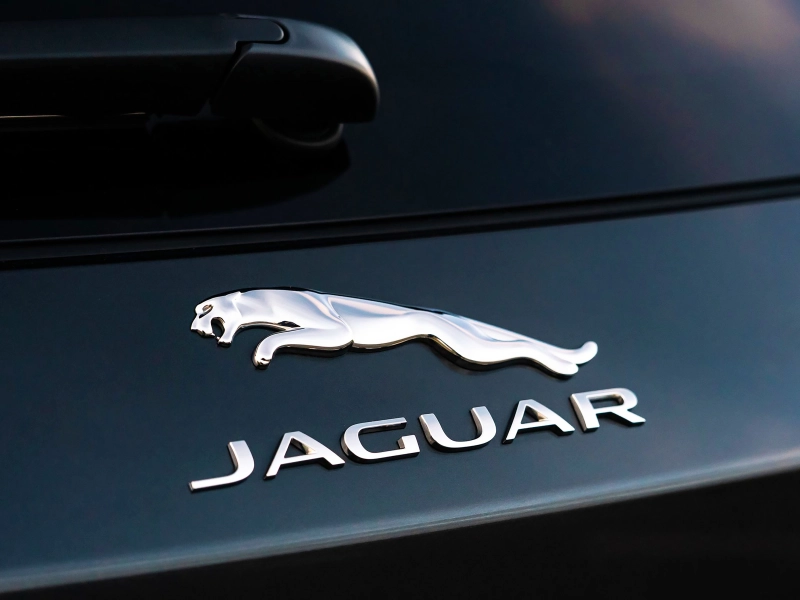
Two major factors have dragged down production in 2025. First, giant Jaguar Land Rover (JLR) was the victim of the most expensive cyber attack in British history. In August, the company's systems in Coventry were paralyzed for five weeks, causing losses estimated at 500 million pounds and disrupting global deliveries.
Secondly, the geopolitical context has become hostile. The return of tariffs imposed by the US administration led by Donald Trump has directly hit British premium exports. With an industry that exports 75% of production, any trade barrier with the US (the second largest export market after the EU) has immediate effects on the assembly lines.
Britain vs. the European Union: Two Different Speeds
While the UK is facing an industrial identity crisis, the European Union is going through a period of “controlled stagnation”. In 2025, car production in the EU is set to fall by just 2.6%, a much milder figure than the British decline. Moreover, new car registrations in the member states have increased slightly (+1.8%), supported by electrification subsidies in countries such as Spain and France.
The main difference lies in the resilience of supply chains. While the UK suffers from post-Brexit barriers and a reliance on a few volume models (Nissan Qashqai, MINI), European hubs in Germany and the Czech Republic have managed to maintain more stable volumes despite fierce competition from Chinese brands.
Hope Comes from the East: The Partnership with Chery and the New Leaf
However, the forecasts for 2026 are moderately optimistic. Keir Starmer's government is banking on active economic diplomacy with Beijing. Talks for a partnership between JLR and Chinese giant Chery could turn unused UK production capacity into assembly bases for Chinese brands looking to avoid EU tariffs.
In parallel, Nissan's Sunderland plant is preparing for the launch of the new electric generation of the Leaf model, a pillar that could raise national production by 10% next year, again targeting the one million unit mark by 2027.
Conclusion
The year 2025 has exposed the structural vulnerabilities of the British car industry, from its fragility to digital attacks to its exposure to the volatility of foreign trade policy. While the decline from the past decade is massive, the survival of the sector now depends on the kingdom’s ability to reinvent itself as a hub for electric technology and attract new strategic partners, overcoming the trauma of a year that set historic lows.