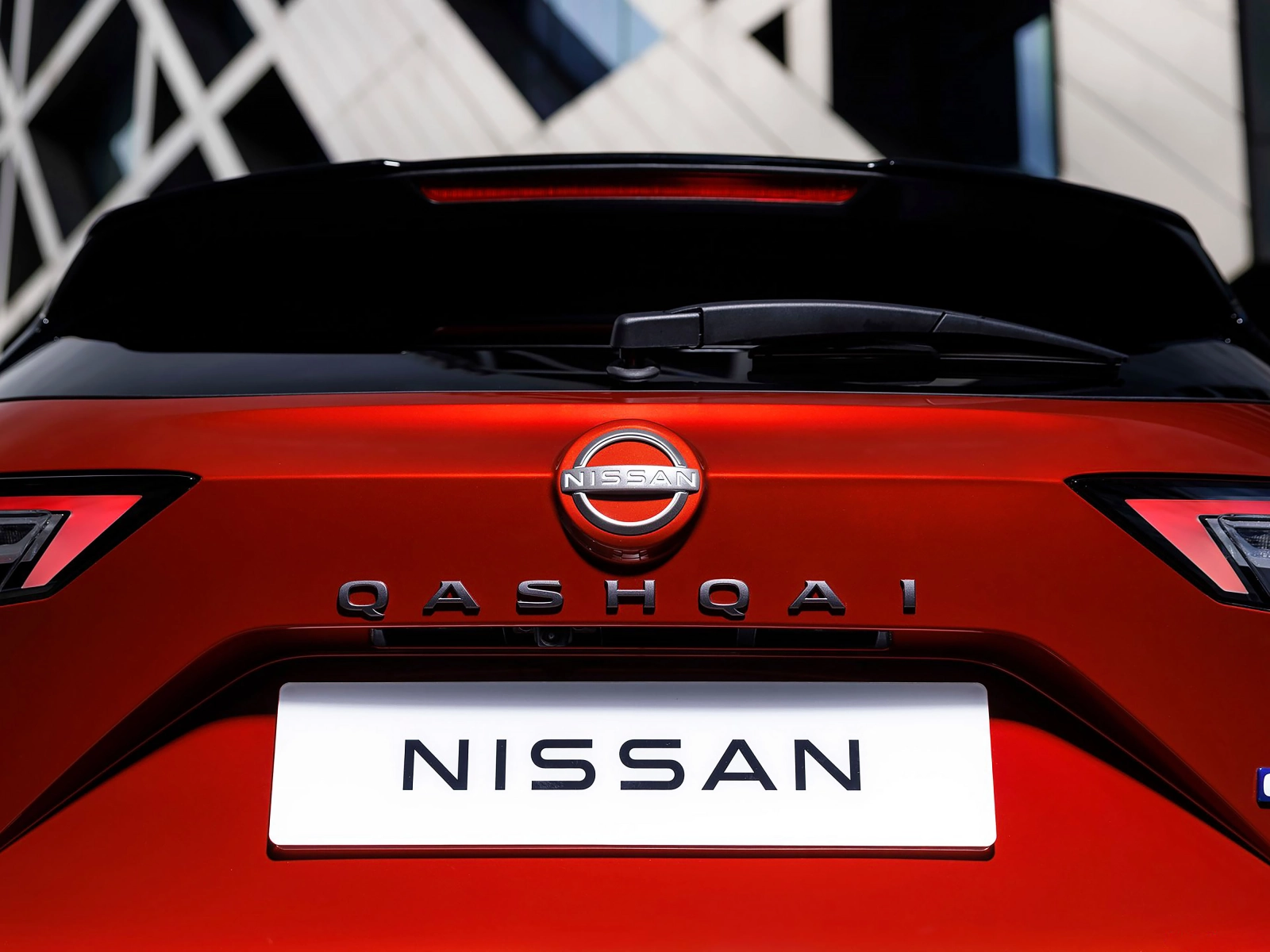
Major strategy change: Nissan stops development of the Qashqai electric SUV. What does this mean for the Romanian market?
Freezing a strategic project. In a surprise move that reconfigures its electrification plans, Japanese automaker Nissan has indefinitely suspended development of the all-electric version of the Qashqai SUV — the brand’s best-selling model in Europe. The decision is part of a tough global restructuring strategy that sees the company simplify its model lineup by a fifth and drastically reduce operating costs amid an increasingly volatile auto market.
The European Context: Between Chinese Pressure and Cost Rationalization
The suspension of the project comes at a time of heightened intensity for the European auto industry, with traditional manufacturers and new competitors from China flooding the market with affordable electric alternatives, putting huge pressure on profit margins.
In 2023, Nissan proudly announced that it would produce a fully electric version of its Qashqai SUV at its Sunderland plant, the UK’s largest car factory. The plan was hailed by the British government as a confirmation of the country’s position as a global hub for electric vehicle production, although the company did not provide a clear launch timetable at the time.
Meanwhile, economic reality has hit the Sunderland plant, where total production has fallen massively in recent years (from over 500,000 units at its peak to around 273,000 in 2025), prompting Nissan to close one of its two assembly lines and hold talks with London authorities for financial support for a new strategy. The manufacturer has even signed a preliminary memorandum with the Chinese from Chery to explore the option of assembling cars under contract for them.
The major long-term risk: While scrapping the project will generate substantial short-term savings, Nissan risks not being able to launch such a model before the beginning of the next decade (the 2030s) if it later decides to resume development. This could leave the manufacturer far behind the competition in a crucial segment, given that the Qashqai accounts for around 45% of Nissan's total sales in Europe (out of around 330,000 cars delivered in 2025).
However, electrification plans are not completely abandoned at Sunderland: the plant continues production of the Leaf electric model and has confirmed assembly of the next generation of the all-electric Juke crossover.
How is Nissan doing on the Romanian market?
Paradoxically, Nissan's strategic decision to delay a fully electric Qashqai could prove to be a tactical advantage in the Romanian market. The local electric vehicle market is going through a period of "subsistence" and resettlement, after the elimination or drastic reduction of massive subsidies through the Rabla Plus program suddenly slowed down sales of battery-powered cars (EVs).
In this Romanian automotive landscape, where the transition to pure electricity is slow, Nissan scores decisively in two directions:
1. e-POWER Technology – The ideal compromise for Romanians
Nissan's secret weapon in Romania is the e-POWER propulsion system, available on the Qashqai and X-Trail. This atypical hybrid technology offers a driving experience identical to that of a 100% electric vehicle (the wheels being driven exclusively by the electric motor), but completely eliminates the "range anxiety" and dependence on charging stations, since the energy is generated on board by an efficient gasoline engine. In a still deficient infrastructure such as that of Romania, the Qashqai e-POWER has established itself as an extremely popular alternative.
2. Positioning at the top of preferences in the SUV segment
Nissan Qashqai remains a strong pillar in the compact SUV segment in Romania, competing closely with established models such as Hyundai Tucson, Kia Sportage or Ford Kuga. Romanian customers appreciate the mix of Japanese technology, the fresh design received with the latest facelifts and the flexibility of hybrid engines (Mild Hybrid and e-POWER).
| Nissan Model | Electrification Type | Impact and Reception in Romania |
| Qashqai Mild Hybrid | Mild hybrid (gasoline + 12V system) | The volume variant, preferred by buyers for its more accessible starting price. |
| Qashqai e-POWER | Series hybrid (drives like an EV) | Technology flagship; highly sought after in major cities for its low fuel consumption. |
| Nissan Ariya | 100% Electric (BEV) | Premium niche model; moderate sales due to its high price tag and the reduction of state subsidies. |
Conclusion: Pragmatism instead of forced electrification
Nissan's decision to put the electric version of the Qashqai on hold reflects an increasingly visible trend globally: car manufacturers are tempering their exclusively electric momentum in favor of hybrid strategies, which are much more financially secure. For the Romanian market, the decision is a good one. Maintaining the focus on hybrid and e-POWER versions aligns perfectly with the wishes of Romanian customers, who want efficiency, safety and autonomy, without the constraints of a still immature charging infrastructure.