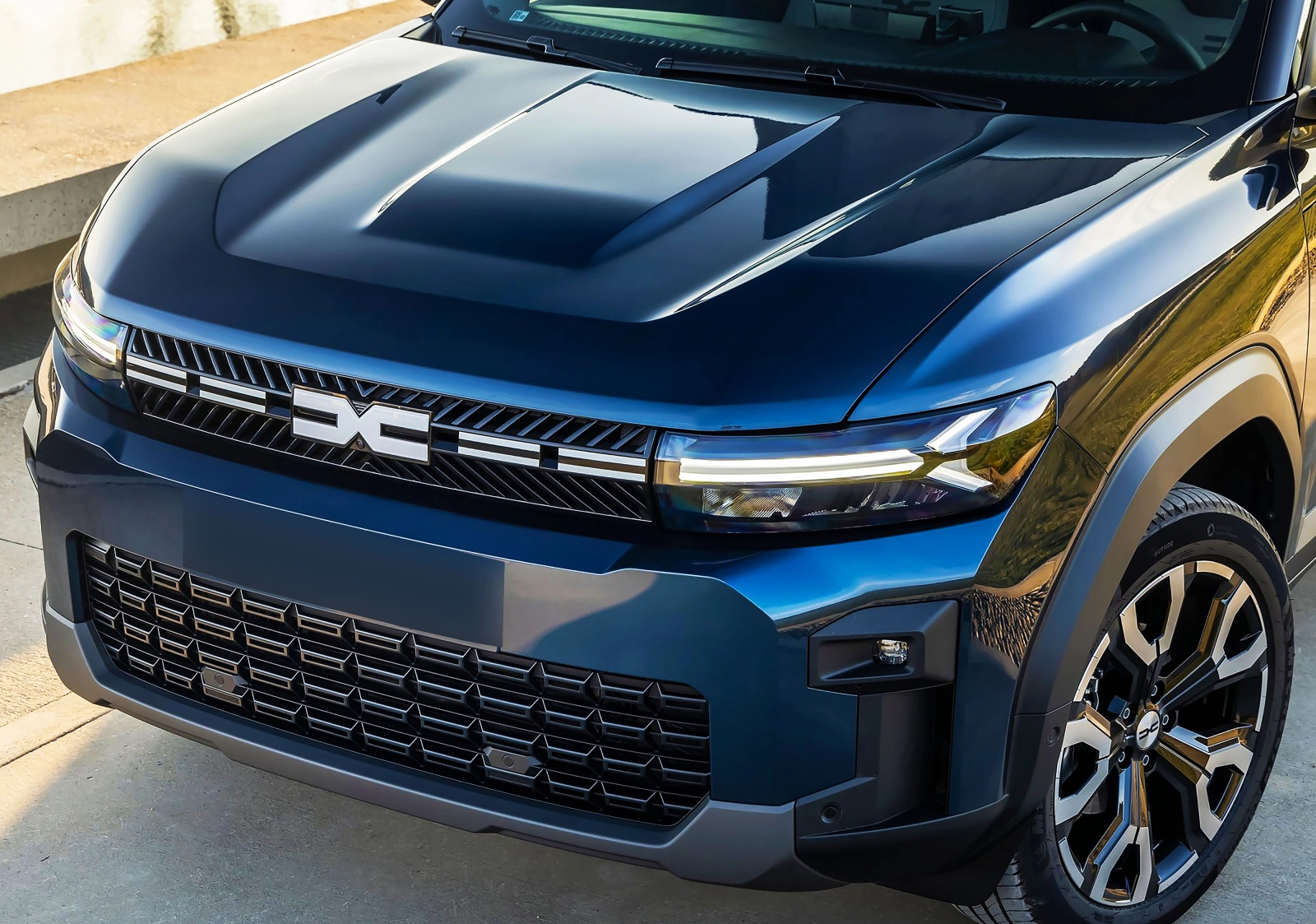
Dacia Bigster under the Green NCAP magnifying glass. The 800 km autonomy champion, but with challenges in CO2 emissions
The independent European body Green NCAP, the reference entity in evaluating the consumption and environmental impact of vehicles, has published the official results for the new flagship of the Mioveni brand: Dacia Bigster.
Tested in its top hybrid version — equipped with the 1.8-liter, 158-horsepower engine —, the Romanian SUV obtained an overall score of 63% and a rating of 3.5 stars out of 5. The results attest to remarkable efficiency in daily use, but also reveal a compromise in terms of global carbon footprint.
Record-breaking range: 800 kilometers without stopping at the pump
The big surprise of the tests was the long-distance performance. Green NCAP experts highlighted that the Bigster is the most spacious family hybrid model recently evaluated and the only car in the tested batch capable of traveling 800 kilometers on a single tank, without requiring refueling.
The efficiency of the hybrid system translated into excellent consumption figures in real conditions:
- Urban and mixed mode: 4.8 liters / 100 km
- Hot weather driving: 5.0 liters / 100 km
- Highway driving and cold weather: 7.2 liters / 100 km
Thanks to these figures, Dacia Bigster received the rating of Good for consumption and autonomy. Regarding thermal behavior and system performance in winter, the assessment was at the Adequate level.
How did he do in the key chapters?
The Green NCAP assessment was based on three main pillars, covering both direct exhaust emissions and overall energy efficiency:
| Evaluated Category | Score | Green NCAP Remarks |
| Clean Air Index | 7.6 / 10 | Effective reduction of harmful pollutants and fine particles. |
| Energy Efficiency | 6.8 / 10 | The hybrid system optimizes energy well given the vehicle's size. |
| Greenhouse Gas Index | 4.6 / 10 | Score pulled down by total carbon dioxide emissions. |
Long-term carbon footprint: The Achilles heel
Although Bigster has proven to be extremely economical at the pump, its environmental impact over its entire life cycle remains a sensitive issue.
Green NCAP tests show that the Dacia Bigster emits 226 grams of CO2 per kilometer over its entire life (calculated using the Well-to-Wheel methodology, which also includes the footprint generated by fuel production and distribution). This value explains the lower score obtained in the greenhouse gas category.
Conclusion: A sober and practical family SUV
The Green NCAP assessment reconfirms the status that Dacia wants for the Bigster: a spacious family SUV, extremely economical in urban environments and unbeatable on long journeys thanks to its 800 km range. For the buyer looking for generous space and low running costs, the Bigster Hybrid remains an extremely competitive proposition on the European market.